
Valorant Mobile Global Release: What I’ve Learned After Following This Game Way Too Closely
I still remember the night my squad’s Discord call turned into a two-hour argument about whether Valorant Mobile would ever actually launch outside China. One friend swore he’d seen a leak confirming a global date. Another had already downloaded it through a sketchy VPN method and kept flexing his rank in the group chat while the rest of us just sat there, refreshing app stores that had absolutely nothing to show us. If you’ve been in a similar boat — checking Reddit every other day, hoping today’s the day pre-registration opens in your country — this one’s for you.
I’ve spent a good chunk of the last year tracking this game’s rollout, chatting with players who got early access through the China launch, and testing it myself on a couple of different phones once I finally got my hands on a build. Here’s the honest, no-hype version of where things actually stand, what the game is really like to play, and how to actually prepare for it instead of just doom-scrolling leak accounts.


So What Even Is Valorant Mobile?
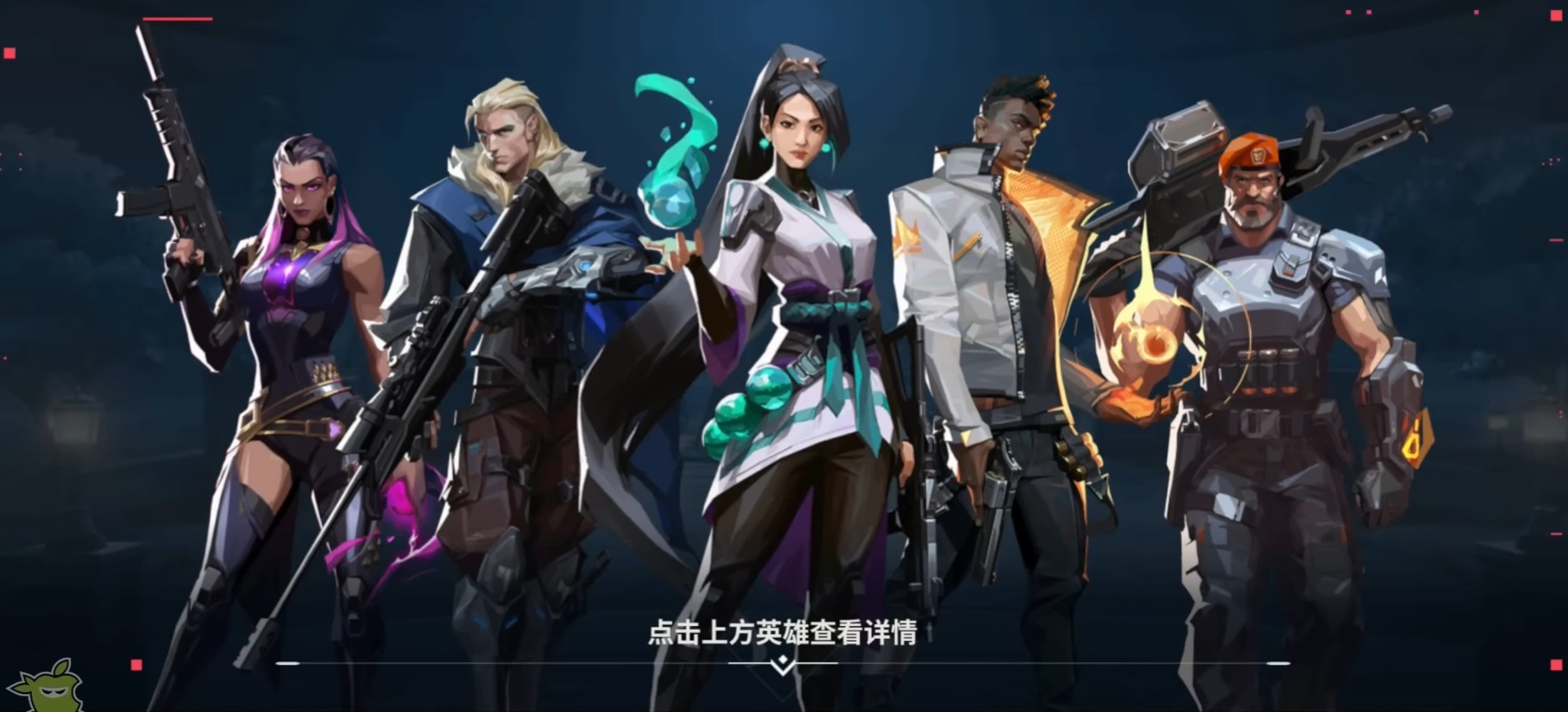
Quick reality check first, because there’s a lot of confusion floating around: Valorant Mobile is Riot Games’ official mobile version of their PC tactical shooter, built in partnership with Tencent’s Lightspeed Studios. It’s not a spin-off or a knockoff — it’s the same DNA as the PC game, agents, abilities, round-based economy and all, just rebuilt from scratch so it actually feels right on a touchscreen instead of being a clunky port.
It first went live in China back in August 2025, where it’s marketed under a different local name, and the numbers there were genuinely wild. We’re talking tens of millions of monthly active players and pre-registration numbers most mobile shooters would kill for. That launch basically worked as a massive stress test for servers, matchmaking, and Riot’s Vanguard anti-cheat system before they even think about flipping the switch worldwide.
As for the rest of us — as of right now, there’s still no officially confirmed global release date from Riot. You’ll see dates floating around online (I’ve seen everything from “next month” to “definitely by the holidays”), but treat those as speculation until Riot themselves puts something out. What seems consistent across most reports is that a global beta is expected at some point this year, with a fuller worldwide release likely to follow once server infrastructure outside China is properly tested. I’d rather tell you the truth than repeat a random leak as if it’s confirmed, only to disappoint you later.
Read More: Best RPG Games for Mobile in 2026


What It’s Actually Like to Play
Okay, the fun part. I got to spend real time with a build of the game, and a few things stood out immediately compared to other mobile shooters I’ve put hours into.
It runs on almost anything. This is the part that genuinely surprised me. I tested it on a mid-range Android phone that’s a couple of years old, and it ran smooth even on lower graphics settings. Riot has apparently optimized this thing to work on devices with as little as 2GB of RAM, and reports suggest it’s playable on hardware as old as an iPhone 8 or a phone running Android 10. You don’t need a flagship to enjoy this game, which honestly can’t be said for most competitive shooters these days. If you do have a newer phone with a strong chipset, though, you can push it up to higher frame rates for a noticeably smoother experience.
The matches move fast. Compared to battle royale games where you can get eliminated in the first two minutes and then sit around waiting, Valorant Mobile keeps you in the action. Rounds are quick, you’re straight back into the next one after a loss, and a full match doesn’t drag on forever. If you’ve ever gotten knocked out early in a BR and had to wait fifteen minutes doing nothing, you’ll appreciate how different this feels.
No mercy for disconnects. This one caught a few of my friends off guard. If your connection drops mid-round, you don’t get a pass — you’re treated the same as if you left. It sounds harsh, but it actually keeps matches fair for everyone else, and it pushed me to double-check my WiFi before jumping into ranked instead of playing on sketchy hotel internet like I usually do.
Anti-cheat is taken seriously. One of the biggest complaints I hear from friends who play other mobile shooters is how overrun with hackers some of them have become. Riot’s Vanguard system, the same anti-cheat used on PC, is built into the mobile version too. It’s not a guarantee of a perfectly clean experience forever, but early impressions from the China launch suggest it’s doing its job far better than a lot of the competition.
Agents, guns, and cosmetics feel like actual Valorant. If you’ve played on PC, the transition isn’t jarring at all. Familiar agents, familiar weapon sounds, similar skin systems. It doesn’t feel like a watered-down mobile spin-off, which is honestly the biggest compliment I can give it.


A Few Things I Wish I’d Known Earlier
I made a couple of mistakes while following this game’s rollout that cost me time and, in one case, a fair amount of frustration:
- I trusted a leak account’s release date and told my friends to clear their calendars. Nothing happened that day. Lesson learned: only trust announcements straight from Riot’s official channels or verified Valorant social accounts, not random “insider” pages.
- I almost tried an unofficial way to access the game early. A friend suggested using a VPN and a regional account trick to get into the China version. I’d genuinely caution against this — it’s unsupported, your progress won’t transfer when the global version launches, and there’s a real chance of account issues down the line. It’s better to just wait for your region to open up properly.
- I underestimated how much optimization mattered to me. I initially assumed a shooter this competitive would need a solid gaming phone to run well. Turns out that’s not the case at all, and I could’ve been testing it on my older backup phone the whole time instead of waiting to borrow a nicer one.


How to Actually Get Ready for the Global Launch
If you want to be ready the moment your region gets access, here’s what’s actually worth doing right now instead of just refreshing forums:
- Follow Riot Games’ and Valorant’s official social channels directly. Official announcements will come from them first, not from leak pages.
- Check your device compatibility now. Given how well-optimized the game reportedly is, most phones from the last several years should be fine, but it doesn’t hurt to check your RAM and OS version ahead of time.
- Get comfortable with the basics on PC if you can. Since the core mechanics, agent abilities, and economy system carry over, spending time with the PC version (or even just watching how rounds are structured) will give you a real head start.
- Keep an eye out for regional pre-registration. When it opens for your country, it usually shows up on the Google Play Store and Apple App Store listing pages before anywhere else.
- Don’t rely on unofficial access methods. It’s tempting, but it’s not worth the account risk or the wasted progress once the real global rollout happens.

Where Things Stand Right Now
The honest summary is this: Valorant Mobile is real, it works, and based on how well it’s performing in China, it’s genuinely one of the more polished competitive shooters I’ve tested on mobile. But the global release date is still unconfirmed, and anyone telling you an exact day with total certainty is guessing just like the rest of us. The smartest move is to prepare your device, follow the official channels, and treat every “leaked date” you see online with a healthy amount of skepticism until Riot says it themselves.
I’ll be honest, the wait has been the most annoying part of this whole thing — but based on everything I’ve tested and read, I think it’s going to be worth it when it finally lands worldwide.